HRV

"HRV might just be the canary in the coal mine for our generation."

    - Ian Rude: Director of Neuroscience, Pure Neurology

In the quest for optimal health, many metrics are used to gauge our well-being. As a Paramedic, I was trained to look at vital signs to givean overall picture of how a person's health was trending. From skin color and quality, to pulse, oxygen satuation, carbon dioxide offgassing, blood pressure, heart rhythm and regularity... Let's stay on that last one for a minute, because one particular metric is emerging as a powerful indicator of overall health and wellbeing: Heart Rate Variability (HRV). While it may not be as widely known as other health markers, HRV offers profound insights into our physical, mental, and emotional states.

Heart rate variability (HRV) is a measure of the variation in time between each heartbeat. This variation is controlled by the autonomic nervous system (ANS), which regulates involuntary bodily functions, including heart rate, blood pressure, and digestion.

It goes much deeper than just basic bodily functions though. HRV is an indicator of our overall cardiovascular health and adaptability, as well as our resilience to stress. While stress is a natural part of everyday life, chronic stress can lead to physical and mental health complications and early death.

In fact, according to The U.S. Department of Labor, workplace stress has been reported to cause 120,000 deaths in the US each year. (bls.gov)

The link between stress and illness is multifaceted, with individual susceptibility to stress varying widely. Factors influencing stress susceptibility include genetic predisposition, coping mechanisms, personality type, and social support. Not all stress is detrimental; research indicates that short-term stress can enhance the immune system.

However, chronic stress has a profound impact, weakening the immune system and increasing illness risk by elevating catecholamine and suppressor T-cell levels. This immune suppression heightens the likelihood of viral infections and, through the release of histamine, can provoke severe bronchoconstriction in asthmatics.

Just two hours of stress can be enough to significantly impact the immune system, often flattening it for up to 24 hours. This period of immune suppression makes the body more susceptible to infections and other health issues, as the stress response temporarily hinders the immune system's ability to function optimally.

While there is no definitive scientific proof that changes in the immune system directly cause cancer, recent studies have identified a link between stress, tumor development, and the suppression of natural killer (NK) cells, which play a crucial role in preventing and destroying metastases.

Aside from other environmental and lifestyle factors, this conversation becomes very concerning when we consider that the pandemic has had a profound impact on individuals across the world, leading to immense stress and trauma for many.

Okay, but this post is about HRV, right?...

Yes. Heart Rate Variability is more than just a number though; it’s a window into our overall health and well-being. And the samestress that flattens out our immune response also flattens out our heart rate variability. By paying attention to HRV and making lifestyle adjustments to improve it, we can enhance our physical fitness, emotional health, and resilience to stress.

HRV Check

Key Points about HRV:

Autonomic Nervous System Balance: HRV reflects the balance between the sympathetic nervous system (SNS), which is responsible for the body's "fight-or-flight" responses, and the parasympathetic nervous system (PNS), which governs "rest-and-digest" activities.

Healthy HRV: A higher HRV typically indicates a healthy, well-functioning heart and autonomic nervous system, as it signifies the body’s ability to adapt to stress and environmental changes. It is associated with greater cardiovascular fitness and resilience to stress.

Low HRV: Conversely, a lower HRV may indicate stress, fatigue, or potential underlying health issues, including cardiovascular diseases, and may be a sign of a less adaptable autonomic nervous system.

Measurement: HRV is measured using specialized equipment like electrocardiograms (ECG) or through various wearable devices and apps that track the intervals between heartbeats. It is often assessed over a specific period, such as during rest or sleep, to get accurate readings.

Why HRV is Important:

Stress and Recovery Monitoring: HRV is a valuable tool for assessing how well the body manages stress and recovers from physical exertion.

Fitness and Training: Athletes use HRV to optimize their training schedules by identifying periods of peak performance and when rest is needed.

Emotional Health: HRV is linked to emotional regulation, with higher HRV indicating better resilience to stress and emotional stability.

Overall Health Indicator: HRV is emerging as a comprehensive indicator of overall health, predicting the risk of chronic diseases and other health conditions.

Boosting Your HRV

Improving HRV is about adopting a lifestyle that promotes balance and reduces stress.

Here are some effective strategies:

Regular Exercise: Engage in regular physical activity, including aerobic exercises, strength training, and flexibility routines. However, ensure you also allow adequate recovery time to avoid overtraining.

Mindfulness and Meditation: Practices such as mindfulness meditation, yoga, and deep-breathing exercises can significantly enhance HRV by promoting relaxation and reducing stress.

Adequate Sleep: Quality sleep is crucial for recovery and maintaining high HRV. Aim for 7-9 hours of uninterrupted sleep each night.

Healthy Diet: A balanced diet rich in whole foods, lean proteins, healthy fats, and plenty of fruits and vegetables supports overall health and optimal HRV.

Stress Management: Incorporate stress-reducing activities into your daily routine, whether it’s spending time in nature, engaging in hobbies, or connecting with loved ones.

With HRV tracking, you receive personalized feedback on how different activities, foods, and habits impact your health. This information allows you to tailor your lifestyle to what works best for your body.

Tracking HRV is a powerful way to gain insights into your body's response to various factors, from stress and exercise to sleep and nutrition.

Heart Rate Variability is much more than just a number; it’s a window into our overall health and well-being. By paying attention to HRV and making lifestyle adjustments to improve it, we can enhance our physical fitness, emotional health, and resilience to stress. As we continue to understand the profound impact of HRV, it’s clear that this is one health metric we simply can't afford to ignore.

If you found this information valuable, get in touch with us to start tracking your HRV today and take a proactive step towards a healthier, more balanced life! 

5015001663
Evidence Based

References:

1. Salleh M. R. (2008). Life event, stress and illness. The Malaysian journal of medical sciences : MJMS, 15(4), 9–18.

2. McCraty, R., Atkinson, M., Tiller, W. A., Rein, G., & Watkins, A. D. (1995). The effects of emotions on short-term power spectrum analysis of heart rate variability. The American Journal of Cardiology, 76(14), 1089–1093.

3. https://www.osha.gov/workplace-stress.

4. https://www.apa.org/news/press/releases/stress/2020/report-october
IMG_6128

Hi, I'm Ian

I am the Founder and Director of Neuroscience at Pure Neurology, LLC. I retired from a career in EMS as a Paramedic, after a line-of-duty injury left me with a chronic nerve condition known as Complex Regional Pain Syndrome. Since my diagnosis in 2015, I have dedicated my life to researching this condition and how to improve it. I was faced with the prospect of amputation, which led me to research alternative treatments. I began working with functional direct-current neuromuscular stimulation in 2016, and I have been ever since. I currently advise NeuX Technologies out of Tampa, FL and work exclusively with NeuX Interactive Neuromuscular Stimulation. I hope that this blog is a valuable resource for you if you have an interest in learning more about INS.

DISCLAIMER: THIS WEBSITE DOES NOT PROVIDE MEDICAL ADVICE
The information, including but not limited to, text, graphics, images and other material contained on this website are for educational and informational purposes only. No material on this site is intended to be a substitute for professional medical advice, diagnosis or treatment. Always seek the advice of your physician or other qualified health care provider with any questions you may have regarding a medical condition or treatment and before undertaking a new health care or fitness regimen, and never disregard professional medical advice or delay in seeking it because of something you have read on this website or any of our affiliated media outlets or accounts.
Elevating Body and Spirit

In today’s fast-paced world, managing stress and promoting well-being have become essential priorities for maintaining overall health.

In the pursuit of holistic health and well-being, the integration of cutting-edge technologies with ancient wisdom traditions holds immense promise for optimizing the human condition on physical, emotional, and spiritual levels.

One such groundbreaking approach is heart rate variability (HRV) biofeedback, which, when combined with somatic and meditative practices, has the potential to unlock profound transformations in body and spirit.

HRV biofeedback, rooted in the understanding of the heart's rhythm as a window into physiological and emotional states, enables individuals to visualize and regulate their heart's adaptability and coherence in real-time.

Did you know???

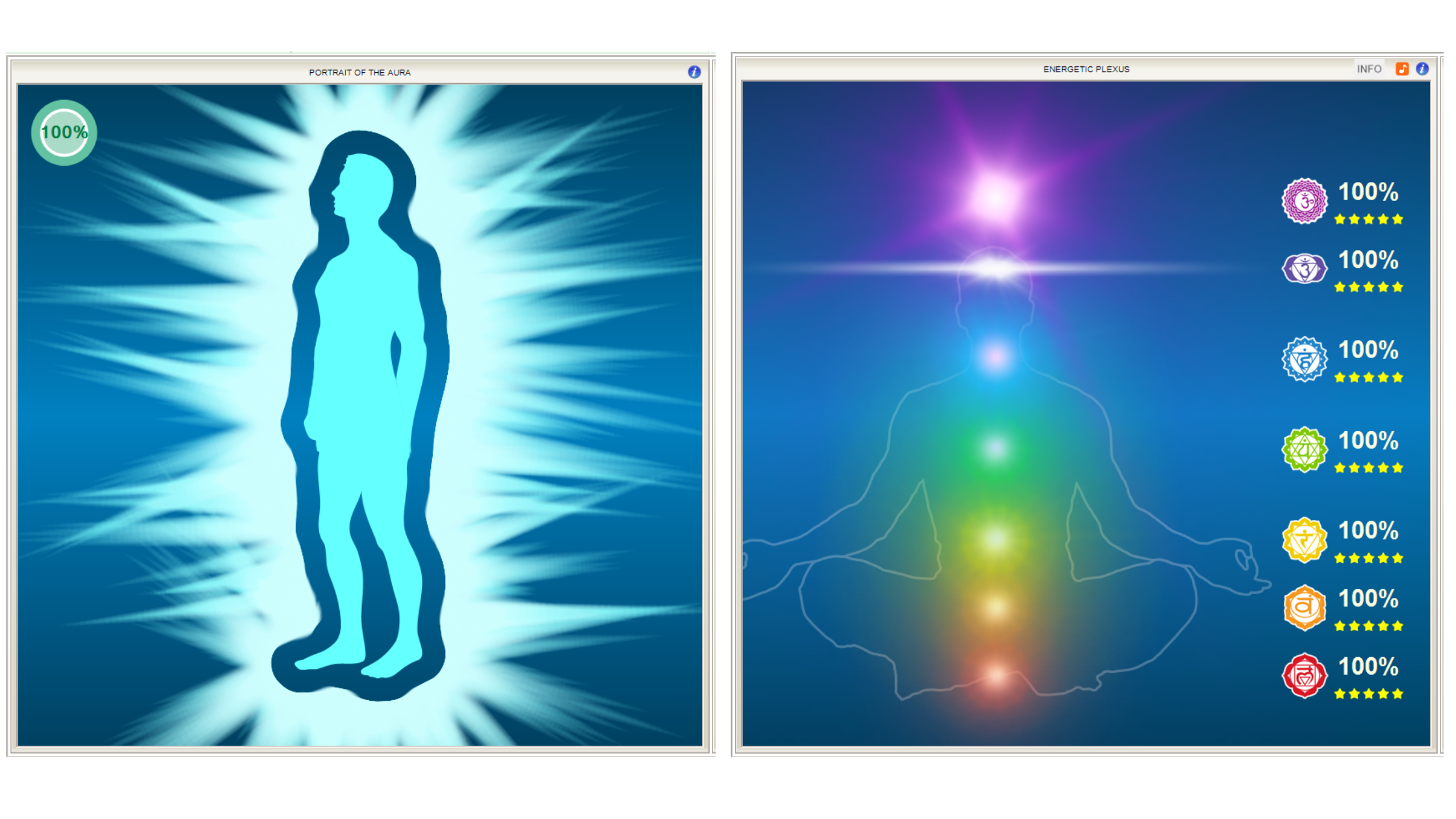
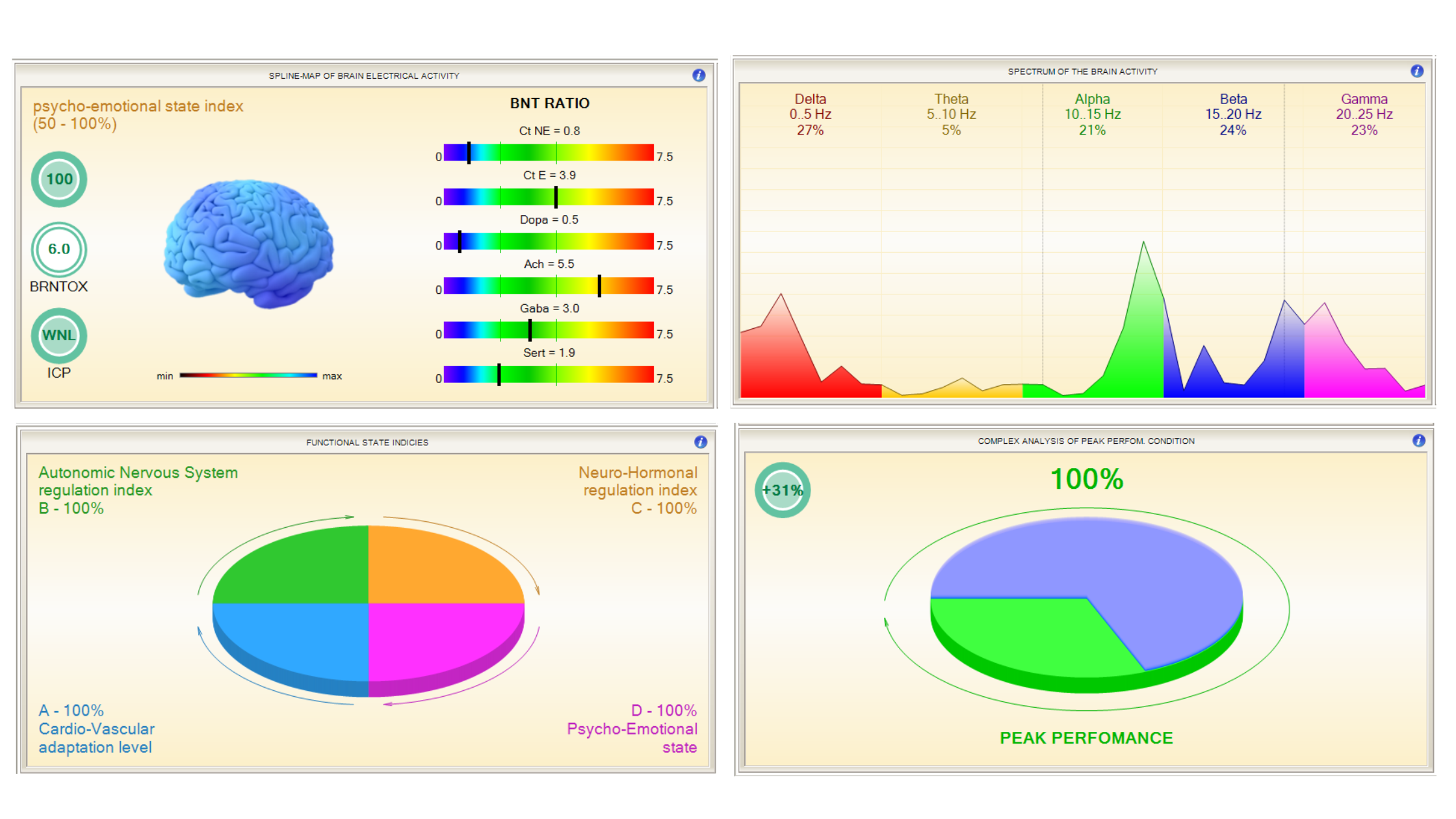
At Pure Neurology, we are now offering HRV Biofeedback Scans with one of the most comprehensive systems available. Offering unique insight into the unseen energies that power the human body.

Scan Results 1

Integrating Western scientific principles with Eastern philosophical perspectives.

Scan Results 2
The HRV System used in our NeuroSync Sessions is intended to be used for education and study of peak performance potential of ANS and CNS regulation. Neither the HRV System or the NeuroSync Session is intended for the diagnosis or treatment of any disease or condition. For medical diagnosis, please consult a licensed medical professional.

So... Why should you care?...

In today's fast-paced world, managing stress and promoting well-being have become essential priorities for maintaining overall health. A study published in the Journal of Psychology in Africa in 2020, titled "HeartMath Approach to Self-Regulation and Psychosocial Well-Being," authored by Jorina Elbers and Rollin McCraty, explores the efficacy of one particular avenue, the HeartMath approach, in enhancing self-regulation and psychosocial well-being.

The approach is grounded in the understanding of the heart's role as a key regulator of emotions, cognition, and physiological responses. Central to this approach is the concept of coherence, which refers to the harmonious alignment between the heart, brain, and other bodily systems.

Achieving coherence is associated with improved emotional stability, cognitive function, and overall well-being.

The findings of the study revealed significant improvements in self-regulation skills, emotional resilience, and psychosocial well-being among participants who engaged in the HeartMath interventions. Participants reported reduced levels of stress, anxiety, and negative emotions, along with increased feelings of calmness, clarity, and inner peace.

Breathwork

These findings indicate that by practicing coherence-building techniques, such as heart-focused breathing and positive emotion induction, individuals can potentially enhance their resilience to stress, improve emotional regulation, and promote overall well-being.

When combined with somatic practices, such as yoga, tai chi, or qigong, HRV biofeedback becomes a powerful tool for integrating mind, body, and spirit. These practices emphasize the importance of cultivating awareness of bodily sensations, movement, and breath, facilitating deep relaxation, stress reduction, and enhanced vitality.

By synchronizing HRV biofeedback with somatic practices, individuals can deepen their connection to their physical selves, tap into their body's innate wisdom, and promote greater harmony between body and mind.

Moreover, when paired with meditative practices, such as mindfulness meditation, loving-kindness meditation, or contemplative prayer, HRV biofeedback becomes a gateway to spiritual growth and self-transcendence. These practices invite individuals to cultivate presence, awareness, and inner stillness, fostering a sense of interconnectedness with oneself, and others.

Meditate

By aligning HRV biofeedback with meditative practices, individuals can access deeper states of consciousness, insight, and spiritual awakening, leading to profound shifts in perception and identity.

Scientific research supports the transformative potential of combining HRV biofeedback with somatic and meditative practices. Studies have shown that integrating these modalities can lead to improvements in physical health, emotional well-being, cognitive function, and spiritual growth. By harmonizing the body's rhythms, calming the mind, and opening the heart, individuals can optimize their human potential and experience greater vitality, resilience, and fulfillment in life.

As we embrace the convergence of ancient wisdom and modern technology, HRV biofeedback emerges as a catalyst for personal and collective evolution.

By harnessing the power of the heart's rhythm and integrating it with somatic and meditative practices, we embark on a journey of self-discovery, healing, and transformation. Through this synergy of body and spirit, we unlock the inherent potential within us and awaken to the boundless possibilities of the human experience.

Evidence Based

References:

1. McCraty, R., & Shaffer, F. (2015). Heart rate variability: new perspectives on physiological mechanisms, assessment of self-regulatory capacity, and health risk. Global Advances in Health and Medicine, 4(1), 46-61.

2. McCraty, R., Atkinson, M., Tiller, W. A., Rein, G., & Watkins, A. D. (1995). The effects of emotions on short-term power spectrum analysis of heart rate variability. The American Journal of Cardiology, 76(14), 1089–1093.

3. Lehrer, P. M., & Gevirtz, R. (2014). Heart rate variability biofeedback: how and why does it work? Frontiers in psychology, 5, 756.

4. Elbers, J., & McCraty, R. (2020). HeartMath Approach to Self-Regulation and Psychosocial Well-Being. Journal of Psychology in Africa, 30(1), 69–79.

IMG_6128

Hi, I'm Ian

I am the Founder and Director of Neuroscience at Pure Neurology, LLC. I retired from a career in EMS as a Paramedic, after a line-of-duty injury left me with a chronic nerve condition known as Complex Regional Pain Syndrome. Since my diagnosis in 2015, I have dedicated my life to researching this condition and how to improve it. I was faced with the prospect of amputation, which led me to research alternative treatments. I began working with functional direct-current neuromuscular stimulation in 2016, and I have been ever since. I currently advise NeuX Technologies out of Tampa, FL and work exclusively with NeuX Interactive Neuromuscular Stimulation. I hope that this blog is a valuable resource for you if you have an interest in learning more about INS.

DISCLAIMER: THIS WEBSITE DOES NOT PROVIDE MEDICAL ADVICE
The information, including but not limited to, text, graphics, images and other material contained on this website are for educational and informational purposes only. No material on this site is intended to be a substitute for professional medical advice, diagnosis or treatment. Always seek the advice of your physician or other qualified health care provider with any questions you may have regarding a medical condition or treatment and before undertaking a new health care or fitness regimen, and never disregard professional medical advice or delay in seeking it because of something you have read on this website or any of our affiliated media outlets or accounts.