Kinesiology: A Path to Balanced Well-being

Exploring Touch for Health Kinesiology

In today's fast-paced world, achieving and maintaining physical, emotional, and mental balance can be challenging. One holistic approach gaining recognition for its ability to promote well-being is Touch for Health Kinesiology (TFH). Rooted in the principles of Traditional Chinese Medicine (TCM) and modern chiropractic techniques, TFH offers a practical and empowering method to enhance health and vitality.

What is Touch for Health Kinesiology?

Touch for Health Kinesiology is a holistic health modality developed by Dr. John Thie in the 1970s. It combines applied kinesiology, acupressure, and energy balancing techniques to assess and correct imbalances in the body’s energy systems. Dr. Thie envisioned TFH as a user-friendly tool that individuals could apply in their everyday lives to improve overall wellness and prevent health issues.

At its core, TFH uses muscle testing to identify stressors or imbalances in the body. By gently pressing on specific points within the muscles, practitioners can gather information about the state of the body’s energy and identify areas that need attention. The goal is to restore harmony within the body’s energy systems, enabling it to function optimally.

Key Principles of Touch for Health Kinesiology

  • The Body as a Self-Healing System: TFH operates on the belief that the body possesses an innate ability to heal itself when properly supported.
  • Energy Balance: TFH focuses on balancing the body’s energy pathways, or meridians, as disruptions in these pathways can lead to physical or emotional discomfort.
  • Holistic Approach: TFH addresses the individual as a whole, considering the interconnectedness of physical, emotional, mental, and energetic aspects of health.
  • Empowerment Through Self-Care: A key feature of TFH is its emphasis on teaching individuals techniques they can use to support their own well-being.

Techniques and Applications

Touch for Health Kinesiology incorporates a variety of techniques to promote balance and well-being, including:

  • Muscle Testing: The cornerstone of TFH, muscle testing assesses the body’s response to different stimuli, revealing stressors and imbalances.
  • Acupressure Points: Gentle pressure on specific points helps to stimulate energy flow and reduce blockages in the meridian system.
  • Meridian Balancing: Techniques are used to harmonize the flow of energy along the body’s meridians, improving vitality and reducing stress.
  • Emotional Stress Release (ESR): This technique helps individuals process and release emotional stress, fostering a sense of calm and clarity.
  • Goal Setting and Visualization: TFH integrates goal setting to align the body’s energy systems with personal intentions, supporting achievement and growth.

Benefits of Touch for Health Kinesiology

The benefits of TFH are wide-ranging and can include:

  • Improved energy and vitality
  • Enhanced emotional resilience
  • Relief from physical pain and tension
  • Better stress management
  • Greater mental clarity and focus
  • Increased self-awareness and self-empowerment

Who Can Benefit from Touch for Health?

One of the most appealing aspects of TFH is its accessibility. It’s suitable for individuals of all ages and fitness levels. Whether you’re looking to address specific health concerns, manage stress, or simply enhance your overall quality of life, TFH offers practical tools that can make a meaningful difference.

Our Unique Approach

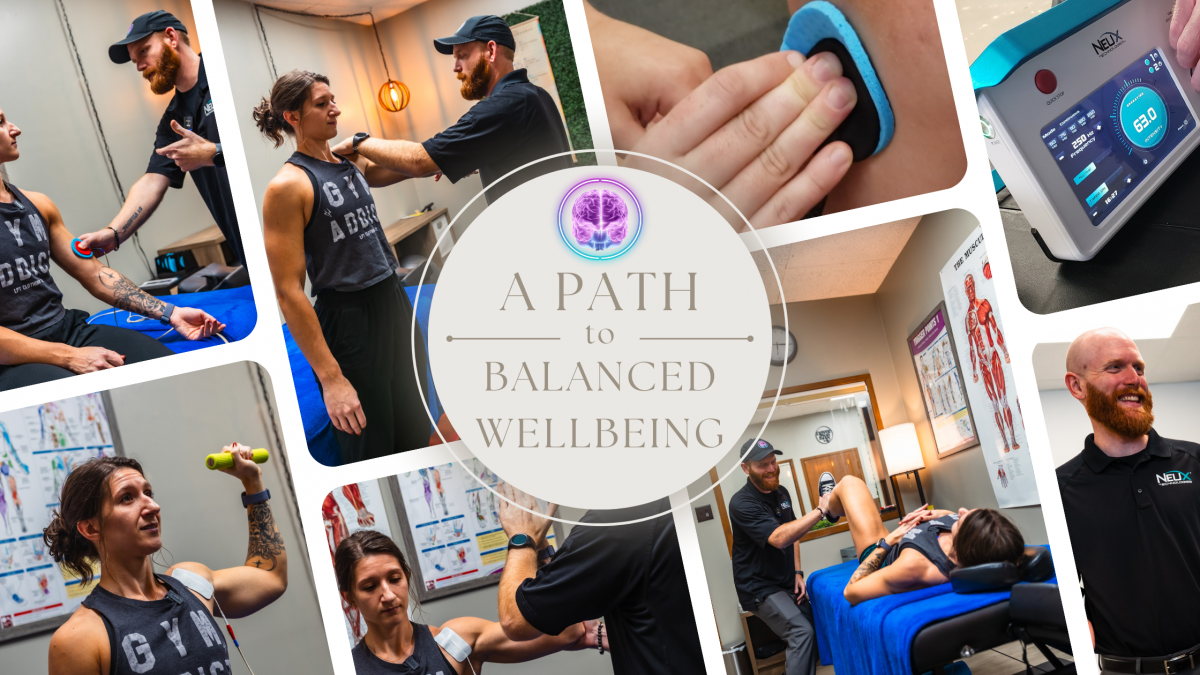
At Pure Neurology, we integrate the principles of Touch for Health (TFH) and corrective exercise with the innovative NeuX Interactive Neuromuscular Stimulation (iNMS) system to achieve remarkable therapeutic outcomes.

How it works:

  • Through muscle testing, we can pinpoint specific stressors and create tailored interventions to promote optimal energy flow and alignment.
  • Corrective exercises are applied which strategically designed to address movement dysfunctions, improve posture, and restore proper biomechanical function.
  • These exercises target weaknesses, mobility restrictions, and compensatory patterns to prevent injury and enhance overall physical performance.
  • When combined with TFH, they amplify the body's capacity to heal and regain strength naturally.
  • The iNMS system delivers precise electrical stimulation to targeted muscle groups and neural pathways.
  • This advanced technology enhances muscle activation, reduces pain, and promotes recovery by stimulating neuromuscular connections and increasing circulation.
  • Its interactive nature allows for real-time adjustments and monitoring, providing a personalized and effective therapy experience.
  • We perform a VitalSCAN before and after the session, so you can see exactly how you are progressing, and what still needs to change.

Why Wait??? Schedule Today!!!

Touch for Health Kinesiology is more than a wellness technique—it’s a way to reconnect with your body’s natural wisdom and potential for healing. By addressing imbalances in the body’s energy systems, TFH empowers individuals to take an active role in their health and well-being. Schedule with our team today to discover the transformative power of Touch for Health Kinesiology and take the first step toward a more balanced and fulfilling life.

SCHEDULE APPOINTMENT
Evidence Based
IMG_6128

Hi, I'm Ian

I am the Founder and Director of Neuroscience at Pure Neurology, LLC. I retired from a career in EMS as a Paramedic, after a line-of-duty injury left me with a chronic nerve condition known as Complex Regional Pain Syndrome. Since my diagnosis in 2015, I have dedicated my life to researching this condition and how to improve it. I was faced with the prospect of amputation, which led me to research alternative treatments. I began working with functional direct-current neuromuscular stimulation in 2016, and I have been ever since. I currently advise NeuX Technologies out of Tampa, FL and work exclusively with NeuX Interactive Neuromuscular Stimulation. I hope that this blog is a valuable resource for you if you have an interest in learning more about INS.

DISCLAIMER: THIS WEBSITE DOES NOT PROVIDE MEDICAL ADVICE
The information, including but not limited to, text, graphics, images and other material contained on this website are for educational and informational purposes only. No material on this site is intended to be a substitute for professional medical advice, diagnosis or treatment. Always seek the advice of your physician or other qualified health care provider with any questions you may have regarding a medical condition or treatment and before undertaking a new health care or fitness regimen, and never disregard professional medical advice or delay in seeking it because of something you have read on this website or any of our affiliated media outlets or accounts.
HRV

"HRV might just be the canary in the coal mine for our generation."

    - Ian Rude: Director of Neuroscience, Pure Neurology

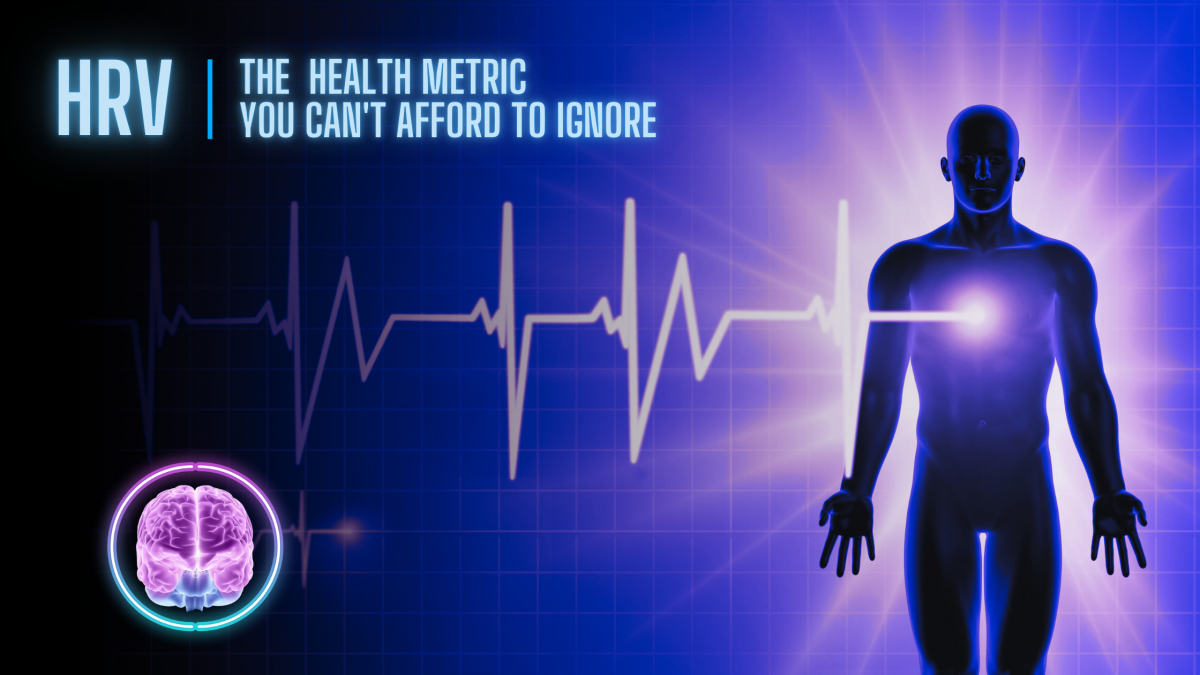
In the quest for optimal health, many metrics are used to gauge our well-being. As a Paramedic, I was trained to look at vital signs to givean overall picture of how a person's health was trending. From skin color and quality, to pulse, oxygen satuation, carbon dioxide offgassing, blood pressure, heart rhythm and regularity... Let's stay on that last one for a minute, because one particular metric is emerging as a powerful indicator of overall health and wellbeing: Heart Rate Variability (HRV). While it may not be as widely known as other health markers, HRV offers profound insights into our physical, mental, and emotional states.

Heart rate variability (HRV) is a measure of the variation in time between each heartbeat. This variation is controlled by the autonomic nervous system (ANS), which regulates involuntary bodily functions, including heart rate, blood pressure, and digestion.

It goes much deeper than just basic bodily functions though. HRV is an indicator of our overall cardiovascular health and adaptability, as well as our resilience to stress. While stress is a natural part of everyday life, chronic stress can lead to physical and mental health complications and early death.

In fact, according to The U.S. Department of Labor, workplace stress has been reported to cause 120,000 deaths in the US each year. (bls.gov)

The link between stress and illness is multifaceted, with individual susceptibility to stress varying widely. Factors influencing stress susceptibility include genetic predisposition, coping mechanisms, personality type, and social support. Not all stress is detrimental; research indicates that short-term stress can enhance the immune system.

However, chronic stress has a profound impact, weakening the immune system and increasing illness risk by elevating catecholamine and suppressor T-cell levels. This immune suppression heightens the likelihood of viral infections and, through the release of histamine, can provoke severe bronchoconstriction in asthmatics.

Just two hours of stress can be enough to significantly impact the immune system, often flattening it for up to 24 hours. This period of immune suppression makes the body more susceptible to infections and other health issues, as the stress response temporarily hinders the immune system's ability to function optimally.

While there is no definitive scientific proof that changes in the immune system directly cause cancer, recent studies have identified a link between stress, tumor development, and the suppression of natural killer (NK) cells, which play a crucial role in preventing and destroying metastases.

Aside from other environmental and lifestyle factors, this conversation becomes very concerning when we consider that the pandemic has had a profound impact on individuals across the world, leading to immense stress and trauma for many.

Okay, but this post is about HRV, right?...

Yes. Heart Rate Variability is more than just a number though; it’s a window into our overall health and well-being. And the samestress that flattens out our immune response also flattens out our heart rate variability. By paying attention to HRV and making lifestyle adjustments to improve it, we can enhance our physical fitness, emotional health, and resilience to stress.

HRV Check

Key Points about HRV:

Autonomic Nervous System Balance: HRV reflects the balance between the sympathetic nervous system (SNS), which is responsible for the body's "fight-or-flight" responses, and the parasympathetic nervous system (PNS), which governs "rest-and-digest" activities.

Healthy HRV: A higher HRV typically indicates a healthy, well-functioning heart and autonomic nervous system, as it signifies the body’s ability to adapt to stress and environmental changes. It is associated with greater cardiovascular fitness and resilience to stress.

Low HRV: Conversely, a lower HRV may indicate stress, fatigue, or potential underlying health issues, including cardiovascular diseases, and may be a sign of a less adaptable autonomic nervous system.

Measurement: HRV is measured using specialized equipment like electrocardiograms (ECG) or through various wearable devices and apps that track the intervals between heartbeats. It is often assessed over a specific period, such as during rest or sleep, to get accurate readings.

Why HRV is Important:

Stress and Recovery Monitoring: HRV is a valuable tool for assessing how well the body manages stress and recovers from physical exertion.

Fitness and Training: Athletes use HRV to optimize their training schedules by identifying periods of peak performance and when rest is needed.

Emotional Health: HRV is linked to emotional regulation, with higher HRV indicating better resilience to stress and emotional stability.

Overall Health Indicator: HRV is emerging as a comprehensive indicator of overall health, predicting the risk of chronic diseases and other health conditions.

Boosting Your HRV

Improving HRV is about adopting a lifestyle that promotes balance and reduces stress.

Here are some effective strategies:

Regular Exercise: Engage in regular physical activity, including aerobic exercises, strength training, and flexibility routines. However, ensure you also allow adequate recovery time to avoid overtraining.

Mindfulness and Meditation: Practices such as mindfulness meditation, yoga, and deep-breathing exercises can significantly enhance HRV by promoting relaxation and reducing stress.

Adequate Sleep: Quality sleep is crucial for recovery and maintaining high HRV. Aim for 7-9 hours of uninterrupted sleep each night.

Healthy Diet: A balanced diet rich in whole foods, lean proteins, healthy fats, and plenty of fruits and vegetables supports overall health and optimal HRV.

Stress Management: Incorporate stress-reducing activities into your daily routine, whether it’s spending time in nature, engaging in hobbies, or connecting with loved ones.

With HRV tracking, you receive personalized feedback on how different activities, foods, and habits impact your health. This information allows you to tailor your lifestyle to what works best for your body.

Tracking HRV is a powerful way to gain insights into your body's response to various factors, from stress and exercise to sleep and nutrition.

Heart Rate Variability is much more than just a number; it’s a window into our overall health and well-being. By paying attention to HRV and making lifestyle adjustments to improve it, we can enhance our physical fitness, emotional health, and resilience to stress. As we continue to understand the profound impact of HRV, it’s clear that this is one health metric we simply can't afford to ignore.

If you found this information valuable, get in touch with us to start tracking your HRV today and take a proactive step towards a healthier, more balanced life! 

5015001663
Evidence Based

References:

1. Salleh M. R. (2008). Life event, stress and illness. The Malaysian journal of medical sciences : MJMS, 15(4), 9–18.

2. McCraty, R., Atkinson, M., Tiller, W. A., Rein, G., & Watkins, A. D. (1995). The effects of emotions on short-term power spectrum analysis of heart rate variability. The American Journal of Cardiology, 76(14), 1089–1093.

3. https://www.osha.gov/workplace-stress.

4. https://www.apa.org/news/press/releases/stress/2020/report-october

IMG_6128

Hi, I'm Ian

I am the Founder and Director of Neuroscience at Pure Neurology, LLC. I retired from a career in EMS as a Paramedic, after a line-of-duty injury left me with a chronic nerve condition known as Complex Regional Pain Syndrome. Since my diagnosis in 2015, I have dedicated my life to researching this condition and how to improve it. I was faced with the prospect of amputation, which led me to research alternative treatments. I began working with functional direct-current neuromuscular stimulation in 2016, and I have been ever since. I currently advise NeuX Technologies out of Tampa, FL and work exclusively with NeuX Interactive Neuromuscular Stimulation. I hope that this blog is a valuable resource for you if you have an interest in learning more about INS.

DISCLAIMER: THIS WEBSITE DOES NOT PROVIDE MEDICAL ADVICE
The information, including but not limited to, text, graphics, images and other material contained on this website are for educational and informational purposes only. No material on this site is intended to be a substitute for professional medical advice, diagnosis or treatment. Always seek the advice of your physician or other qualified health care provider with any questions you may have regarding a medical condition or treatment and before undertaking a new health care or fitness regimen, and never disregard professional medical advice or delay in seeking it because of something you have read on this website or any of our affiliated media outlets or accounts.
Elevating Body and Spirit

In today’s fast-paced world, managing stress and promoting well-being have become essential priorities for maintaining overall health.

In the pursuit of holistic health and well-being, the integration of cutting-edge technologies with ancient wisdom traditions holds immense promise for optimizing the human condition on physical, emotional, and spiritual levels.

One such groundbreaking approach is heart rate variability (HRV) biofeedback, which, when combined with somatic and meditative practices, has the potential to unlock profound transformations in body and spirit.

HRV biofeedback, rooted in the understanding of the heart's rhythm as a window into physiological and emotional states, enables individuals to visualize and regulate their heart's adaptability and coherence in real-time.

Did you know???

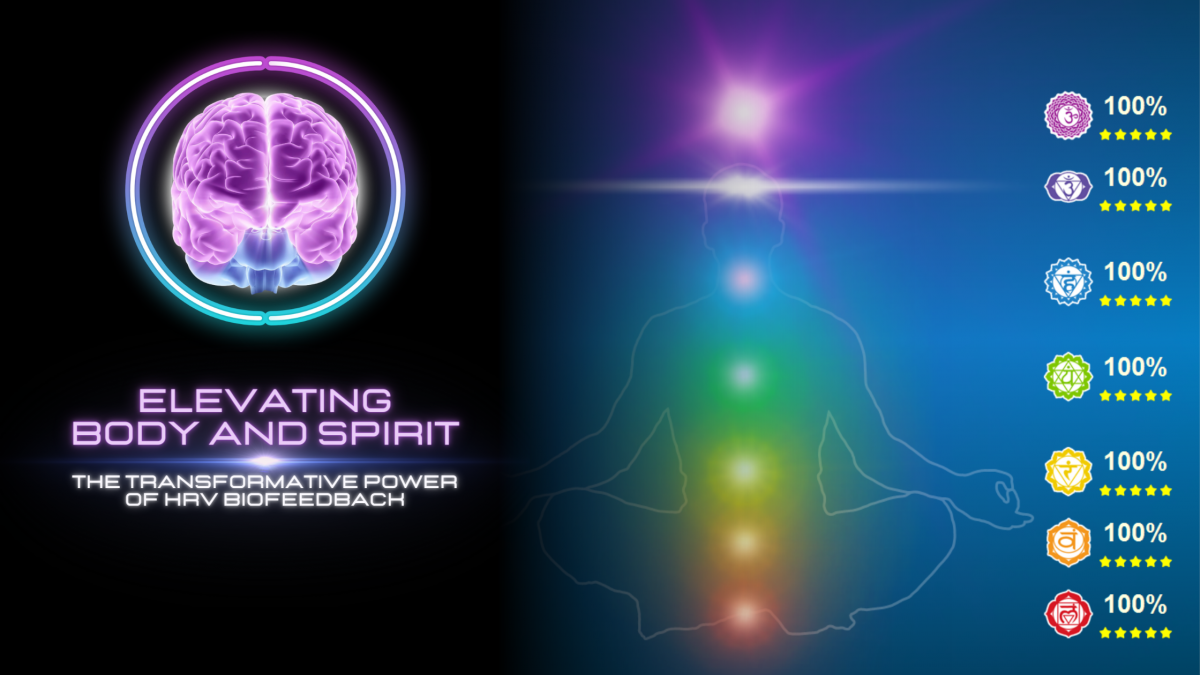
At Pure Neurology, we are now offering HRV Biofeedback Scans with one of the most comprehensive systems available. Offering unique insight into the unseen energies that power the human body.

Scan Results 1

Integrating Western scientific principles with Eastern philosophical perspectives.

Scan Results 2
The HRV System used in our NeuroSync Sessions is intended to be used for education and study of peak performance potential of ANS and CNS regulation. Neither the HRV System or the NeuroSync Session is intended for the diagnosis or treatment of any disease or condition. For medical diagnosis, please consult a licensed medical professional.

So... Why should you care?...

In today's fast-paced world, managing stress and promoting well-being have become essential priorities for maintaining overall health. A study published in the Journal of Psychology in Africa in 2020, titled "HeartMath Approach to Self-Regulation and Psychosocial Well-Being," authored by Jorina Elbers and Rollin McCraty, explores the efficacy of one particular avenue, the HeartMath approach, in enhancing self-regulation and psychosocial well-being.

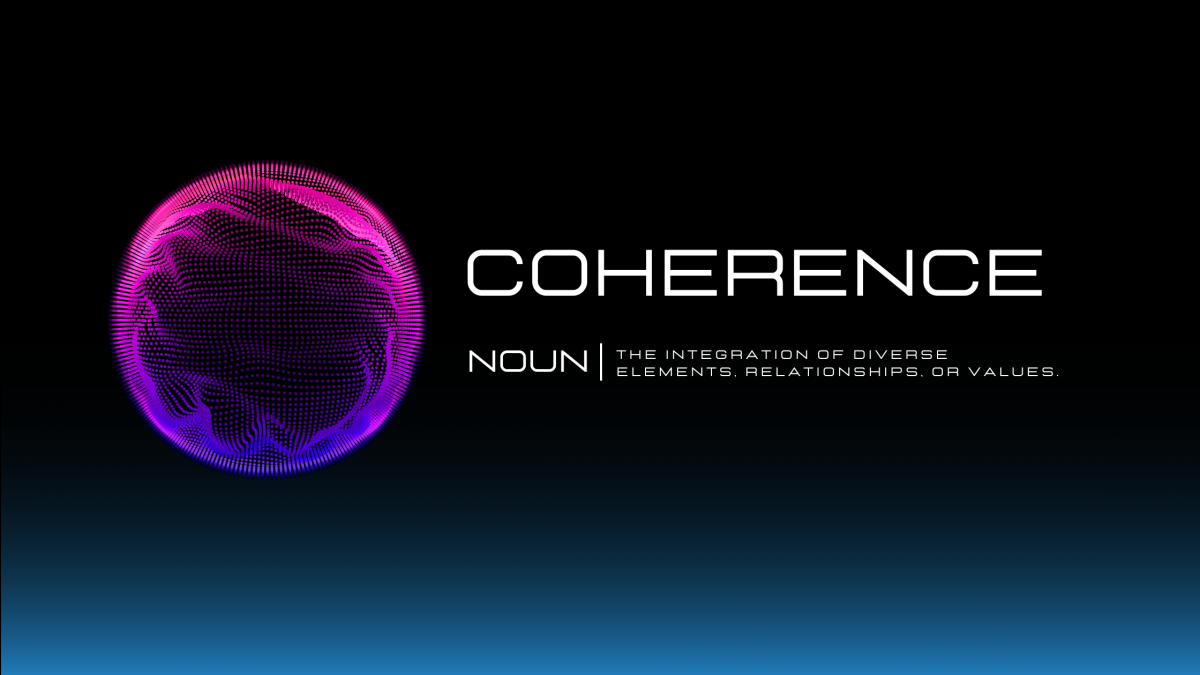
The approach is grounded in the understanding of the heart's role as a key regulator of emotions, cognition, and physiological responses. Central to this approach is the concept of coherence, which refers to the harmonious alignment between the heart, brain, and other bodily systems.

Achieving coherence is associated with improved emotional stability, cognitive function, and overall well-being.

The findings of the study revealed significant improvements in self-regulation skills, emotional resilience, and psychosocial well-being among participants who engaged in the HeartMath interventions. Participants reported reduced levels of stress, anxiety, and negative emotions, along with increased feelings of calmness, clarity, and inner peace.

Breathwork

These findings indicate that by practicing coherence-building techniques, such as heart-focused breathing and positive emotion induction, individuals can potentially enhance their resilience to stress, improve emotional regulation, and promote overall well-being.

When combined with somatic practices, such as yoga, tai chi, or qigong, HRV biofeedback becomes a powerful tool for integrating mind, body, and spirit. These practices emphasize the importance of cultivating awareness of bodily sensations, movement, and breath, facilitating deep relaxation, stress reduction, and enhanced vitality.

By synchronizing HRV biofeedback with somatic practices, individuals can deepen their connection to their physical selves, tap into their body's innate wisdom, and promote greater harmony between body and mind.

Moreover, when paired with meditative practices, such as mindfulness meditation, loving-kindness meditation, or contemplative prayer, HRV biofeedback becomes a gateway to spiritual growth and self-transcendence. These practices invite individuals to cultivate presence, awareness, and inner stillness, fostering a sense of interconnectedness with oneself, and others.

Meditate

By aligning HRV biofeedback with meditative practices, individuals can access deeper states of consciousness, insight, and spiritual awakening, leading to profound shifts in perception and identity.

Scientific research supports the transformative potential of combining HRV biofeedback with somatic and meditative practices. Studies have shown that integrating these modalities can lead to improvements in physical health, emotional well-being, cognitive function, and spiritual growth. By harmonizing the body's rhythms, calming the mind, and opening the heart, individuals can optimize their human potential and experience greater vitality, resilience, and fulfillment in life.

As we embrace the convergence of ancient wisdom and modern technology, HRV biofeedback emerges as a catalyst for personal and collective evolution.

By harnessing the power of the heart's rhythm and integrating it with somatic and meditative practices, we embark on a journey of self-discovery, healing, and transformation. Through this synergy of body and spirit, we unlock the inherent potential within us and awaken to the boundless possibilities of the human experience.

Evidence Based

References:

1. McCraty, R., & Shaffer, F. (2015). Heart rate variability: new perspectives on physiological mechanisms, assessment of self-regulatory capacity, and health risk. Global Advances in Health and Medicine, 4(1), 46-61.

2. McCraty, R., Atkinson, M., Tiller, W. A., Rein, G., & Watkins, A. D. (1995). The effects of emotions on short-term power spectrum analysis of heart rate variability. The American Journal of Cardiology, 76(14), 1089–1093.

3. Lehrer, P. M., & Gevirtz, R. (2014). Heart rate variability biofeedback: how and why does it work? Frontiers in psychology, 5, 756.

4. Elbers, J., & McCraty, R. (2020). HeartMath Approach to Self-Regulation and Psychosocial Well-Being. Journal of Psychology in Africa, 30(1), 69–79.

IMG_6128

Hi, I'm Ian

I am the Founder and Director of Neuroscience at Pure Neurology, LLC. I retired from a career in EMS as a Paramedic, after a line-of-duty injury left me with a chronic nerve condition known as Complex Regional Pain Syndrome. Since my diagnosis in 2015, I have dedicated my life to researching this condition and how to improve it. I was faced with the prospect of amputation, which led me to research alternative treatments. I began working with functional direct-current neuromuscular stimulation in 2016, and I have been ever since. I currently advise NeuX Technologies out of Tampa, FL and work exclusively with NeuX Interactive Neuromuscular Stimulation. I hope that this blog is a valuable resource for you if you have an interest in learning more about INS.

DISCLAIMER: THIS WEBSITE DOES NOT PROVIDE MEDICAL ADVICE
The information, including but not limited to, text, graphics, images and other material contained on this website are for educational and informational purposes only. No material on this site is intended to be a substitute for professional medical advice, diagnosis or treatment. Always seek the advice of your physician or other qualified health care provider with any questions you may have regarding a medical condition or treatment and before undertaking a new health care or fitness regimen, and never disregard professional medical advice or delay in seeking it because of something you have read on this website or any of our affiliated media outlets or accounts.
Coherence

This model of coherence suggests that the neurocommunication between the heart and the brain is in fact, a two way street.

THE HEART - A TOPIC FOR DEBATE

In western science, the heart is considered to be a pump. The body needs oxygenated blood to survive, and the heart provides it, with some assistance from the lungs. Deoxygenated blood enters into the heart from the body via the top chamber known as the right atrium. From there it enters the right ventricle and gets sent to the lungs, where carbon dioxide is off-loaded, and oxygen is bound to the hemoglobin to be transported. From the lungs, the blood enters the left atrium where it is transferred to the left ventricle and then thrust into the arteries and circulated through the body. But did you also know that the heart is a generator?

Heart muscle is normally considered to have a property that we refer to as automaticity. According to Merriam-Webster, automaticity is defined as: the capacity of a cell to generate an action potential spontaneously without an external stimulus. This means that the heart has the capability to generate its own heartbeat! Very interesting when you consider the scope of our discussion today.

But we are examining contrasting viewpoints here and discussing ongoing research into the nature of the essence of humanity. So we have to consider all angles. Arnold Martin Katz was an American medical doctor, professor of cardiology, medical researcher, and author. He had the following to say on the matter.

All adult cardiac myocytes can respond to electrical stimuli and conduct action potentials, but the working cells of the atria and ventricles generally lack automaticity …
- Arnold M. Katz, Physiology of the Heart, 5th edition

In the realms of understanding the human body's energetic processes, two primary contrasting paradigms have emerged. First we have the Western view of action potentials, and then we have the Eastern perspective of Qi (chi).

While Western science has long held sway over our understanding of physiological phenomena, we would be remiss to discount the profound insights offered by Eastern philosophies, particularly in the concept of Qi.

Western science, with its meticulous dissection of the human body and painstaking analysis of observation, has led us to comprehend the body's mechanisms in intricate detail. We can now understand each bodily system and how it operates. Entire specialties have been built around each one, which physicians dedicate their entire lives to learning.

We have incredible illustrations, imaging, and insight into the vast reaches of the human body, mind, and psyche. Within the labyrinth of our minds, billions of neurons weave a tapestry of complexity, yet our understanding merely grazes the surface of their intricate dance. Western science can tell us how many neurons are firing in the brain, how electricity is passing through the heart, creating atlases of the human body in which the expedition through the body of the human being has been thoroughly documented. But it can’t really tell You where (You) reside. You inhabit your brain, but it is just an organ, it is not (You).

Hidden Worlds

Western science looks at action potential, the electrochemical process that facilitates nerve impulses, stands as a cornerstone of this understanding. It's a marvel of scientific achievement, providing a mechanistic explanation for the propagation of signals within the nervous system.

The western view does not have a specific stance on the concept of a soul; primarily focusing on the physical aspects of health, relying on empirical evidence, scientific research, and biological explanations for phenomena. As such, discussions about the soul typically fall outside the scope of the allopathic view.

Despite this fact, for centuries, the heart has been revered as the origin of emotion, courage, and wisdom. Isn’t it interesting that as we experience things like love, happiness, anger, remorse, and grief, we seem to do so primarily with a specific organ… The heart.

THE CLASH - SCIENCE VS PHILOSOPHY

In contrast, the eastern viewpoint, rooted in traditions such as Traditional Chinese Medicine (TCM) and Ayurveda, often incorporates the concept of a soul or a similar notion within its framework. Overall, Eastern medicine tends to have a more holistic view of health that encompasses not only the physical body but also the mind and spirit.

So it should come as no surprise that research transcending the rigid bounds of allopathy indicates that there is more to the person than the sum of components that make up their anatomy, and since Dr. Katz wrote his statement about automaticity, numerous studies have shown that the heart has a type of coherence in its ability to influence the brain.

This is further corroborated by research indicating that when individuals experience stressful or draining emotions, like frustration and anger, it results in heightened chaos within the higher-level brain regions and the autonomic nervous system. These effects then manifest in heart rhythm irregularities and if left unchecked, cause a cascading negative impact on the operation of nearly all bodily systems.

This new perspective indicates that the heart is actually a highly complex information- processing center, with the ability to influence our self-regulatory capacity, cognitive function, including mental clarity, and even our emotional stability and resilience. So, as it turns out, the heart may in fact be more than just a pump.

In one particular study "Dynamic Correlations Between Heart and Brain Rhythm During Autogenic Meditation" by Kim et al. (2013), the researchers shed light on the intricate relationship between heart and brain activity during the practice of autogenic meditation. Through their investigation, they uncover dynamic correlations that highlight the profound interplay between physiological and mental states during meditation.

By examining the simultaneous changes in heart rate variability (HRV) and electroencephalogram (EEG) patterns, the study reveals how autogenic meditation induces a state of coherence between the heart and brain rhythms. This coherence suggests a harmonious alignment of physiological and cognitive processes, indicative of deep relaxation and heightened self-awareness.

The findings of this study shed light on the dynamic interrelations between heart and brain activity, the researchers were able to offer valuable insights into the mechanisms underlying meditative practices and their impact on holistic health.

In this manner, more and more research is now contributing to our theoretical understanding of the intricate mind-body connection. Specifically highlighting the bi-directional relationship between psychological processes and physiological responses, emphasizing the need for a holistic approach to health that integrates both dimensions, uniting eastern philosophy with western tenacity.

ON COHERENCE

Ideas encapsulated within the notion of coherence have been recognized as pivotal across disciplines including quantum physics, physiology, and social science. While various forms of coherence exist, the term consistently signifies a state of harmonious interconnection, correlations, and interactions among the components within a system.

This model of coherence suggests that the neurocommunication between the heart and the brain is in fact, a two way street. Furthermore, the Coherence Model suggests that patterns in the activity of cardiovascular afferent (sensory) neuronal traffic can significantly influence cognitive performance, emotional experience and self-regulatory capacity.

If we take this new research into light, we can deduce that self-induced positive emotions can shift entire systems into a state of improved performance and overall well-being.

According to Ernst G. (2017), the systems that have control over heart rate variability (HRV) include:

1. Autonomic Nervous System (ANS)

2. Central Nervous System (CNS)

3. Respiratory System

4. Endocrine System

5. Cardiovascular System

Further research into the heart-brain-connection will undoubtedly reveal that the profound implications of heart-brain coherence cannot be overstated.

Its significance transcends conventional boundaries, intertwining physiological health with mental and emotional well-being. Yet, despite its immense impact, the importance of heart-brain coherence has been vastly underestimated.

As we strive for a more comprehensive understanding of holistic human health and resilience, let us recognize and embrace the pivotal role that heart-brain coherence could play in our holistic well-being. Only by acknowledging and nurturing this fundamental connection can we begin to bridge the gap between physicality and consciousness.

To underscore this conclusion, I would like to share a statement from the Heart Math Institute, a research and education organization dedicated to studying the physiological and psychological effects of the heart's activity on overall well-being.

At the HMI Research Center, we have found that the heart plays a central role in the generation of emotional experience and therefore, in the establishment of psychophysiological coherence. From a systems perspective, the human organism is truly a vast, multidimensional information network of communicating subsystems in which mental processes, emotions and physiological systems are inextricably intertwined. Whereas our perceptions and emotions were once believed to be dictated entirely by the brain’s responses to stimuli arising from our external environment, the emerging perspectives in neuroscience more accurately describe perceptual and emotional experience as the composite of stimuli the brain receives from the external environment and the internal sensations or feedback transmitted to the brain from the bodily organs and systems. Thus, the heart, brain, nervous, hormonal and immune systems must all be considered fundamental components of the dynamic, interactive information network that determines our ongoing emotional experience.
McCraty, R., Science of the Heart Vol 2 - Exploring the role of the heart in human performance. (2015) p. 29
Evidence Based

sources:

1. Laszlo, E., Quantum Shift in the Global Brain: how the new scientific reality can change us and our world (2008), Rochester, VT: Inner Traditions.

2. Damasio, A.R., Descartes’ Error: Emotion, Reason and the Hu- man Brain (1994), New York: G.P. Putnam’s Sons.

3. Ernst G. (2017). Heart-Rate Variability-More than Heart Beats?. Frontiers in public health, 5, 240.

4. Kim, D. K., Lee, K. M., Kim, J., Whang, M. C., & Kang, S. W. (2013). Dynamic correlations between heart and brain rhythm during Autogenic meditation. Frontiers in human neuroscience, 7, 414.

5. Rosch P. J. (2009). Bioelectromagnetic and subtle energy medicine: the interface between mind and matter. Annals of the New York Academy of Sciences, 1172, 297–311.

6. Lehrer, P. M., Vaschillo, E., & Vaschillo, B. (2000). Resonant frequency biofeedback training to increase cardiac variability: rationale and manual for training. Applied psychophysiology and biofeedback, 25(3), 177–191.

7. McCraty, R., & Zayas, M. A. (2014). Cardiac coherence, self-regulation, autonomic stability, and psychosocial well-being. Frontiers in psychology, 5, 1090.

8. McCraty, R., Science of the Heart Vol 2 - Exploring the role of the heart in human performance. (2015), Boulder Creek, CA: HeartMath Institute.

IMG_6128

Hi, I'm Ian

I am the Founder and Director of Neuroscience at Pure Neurology, LLC. I retired from a career in EMS as a Paramedic, after a line-of-duty injury left me with a chronic nerve condition known as Complex Regional Pain Syndrome. Since my diagnosis in 2015, I have dedicated my life to researching this condition and how to improve it. I was faced with the prospect of amputation, which led me to research alternative treatments. I began working with functional direct-current neuromuscular stimulation in 2016, and I have been ever since. I currently advise NeuX Technologies out of Tampa, FL and work exclusively with NeuX Interactive Neuromuscular Stimulation. I hope that this blog is a valuable resource for you if you have an interest in learning more about INS.

DISCLAIMER: THIS WEBSITE DOES NOT PROVIDE MEDICAL ADVICE
The information, including but not limited to, text, graphics, images and other material contained on this website are for educational and informational purposes only. No material on this site is intended to be a substitute for professional medical advice, diagnosis or treatment. Always seek the advice of your physician or other qualified health care provider with any questions you may have regarding a medical condition or treatment and before undertaking a new health care or fitness regimen, and never disregard professional medical advice or delay in seeking it because of something you have read on this website or any of our affiliated media outlets or accounts.
Decoding Biohacking

For nearly a decade, my life has revolved around one central pursuit: delving into the intricate dynamics of chronic stress on the human body and uncovering effective strategies to counter its impact.

Back in 2015, during my time as a firefighter, an injury to my shoulder led to the onset of Complex Regional Pain Syndrome (CRPS) — a debilitating condition. Within just a year-and-a-half, the prospect of amputating my dominant arm was being considered as a potential solution; but I remained steadfast in my belief that there had to be alternative avenues to explore.

I found myself grappling with disbelief however, at their unwavering conviction that surgery was the solution, especially given the inconclusive results of all their tests aimed at identifying tissue damage as the root cause of my pain. This ignited a desperate quest for answers, a relentless pursuit that would consume the better part of a decade as I struggled to regain my health.

While I may share a lot about my personal experience in this blog, or how it ties into past & present research projects, this blog is intended to be for educational and informative purposes only, and nothing herein should be considered as medical advice. At Pure Neurology, we do not treat conditions or pain, but focus on optomizing the performance of the body as a whole. However, as an individual who has studied the human body at great length, I think that pain is highly misunderstood. As someone who has known the insanity of living with a chronic illness, I can say that this needs to be talked about.

In my exploration of the chronic pain condition that I was diagnosed with, I came across two prevailing theories. One theory highlights the irregularities in glial cell functioning, while the other probes into issues within the autonomic nervous system. I've chosen to delve further into examining the latter theory, focusing on the cellular consequences as a bi-product of an impaired autonomic nervous system. Along this path, I've made several intriguing findings; but mainly, that stress and pain are intrinsically tied. Pain and injury are loosely correllated, but pain and stress are inseperable.

NeuroBaby

The Master Controller of the Human Body

From the very moment of conception, our journey begins with the miraculous orchestration of the nervous system. As a single fertilized cell, or zygote, embarks on its transformative path, the intricate blueprint of the nervous system begins to unfold. Through a series of awe-inspiring developmental stages, the rudimentary neural tube forms, eventually giving rise to the brain and spinal cord—the indisputable master controllers of the body.

As embryonic development progresses, the nervous system undergoes remarkable transformations, shaping the very essence of our being. Guided by a complex interplay of genetic instructions and environmental cues, neurons multiply, migrate, and establish intricate connections, laying the foundation for our sensory experiences, motor functions, and cognitive abilities.

As the brain and spinal cord mature, they assume their roles as the central command center of the body, governing every aspect of our existence with remarkable precision. From regulating heart rate and breathing to orchestrating intricate movements and processing sensory information, the nervous system stands as the quintessential conductor of the symphony of life.

Throughout our journey from zygote to fully-formed individual, the nervous system remains our steadfast companion, adapting and evolving in response to our experiences and surroundings. Its intricate network of neurons and neurotransmitters forms the cornerstone of our consciousness, shaping our perceptions, emotions, and behaviors in profound ways.

In essence, from the earliest moments of embryonic development to the complexities of adult life, the nervous system serves as the unwavering guardian of our existence, tirelessly orchestrating the myriad of functions that sustain our being and define our humanity. I took this into consideration from the time I began my research.

THE THREAT BUCKET

Threats to the "Self"

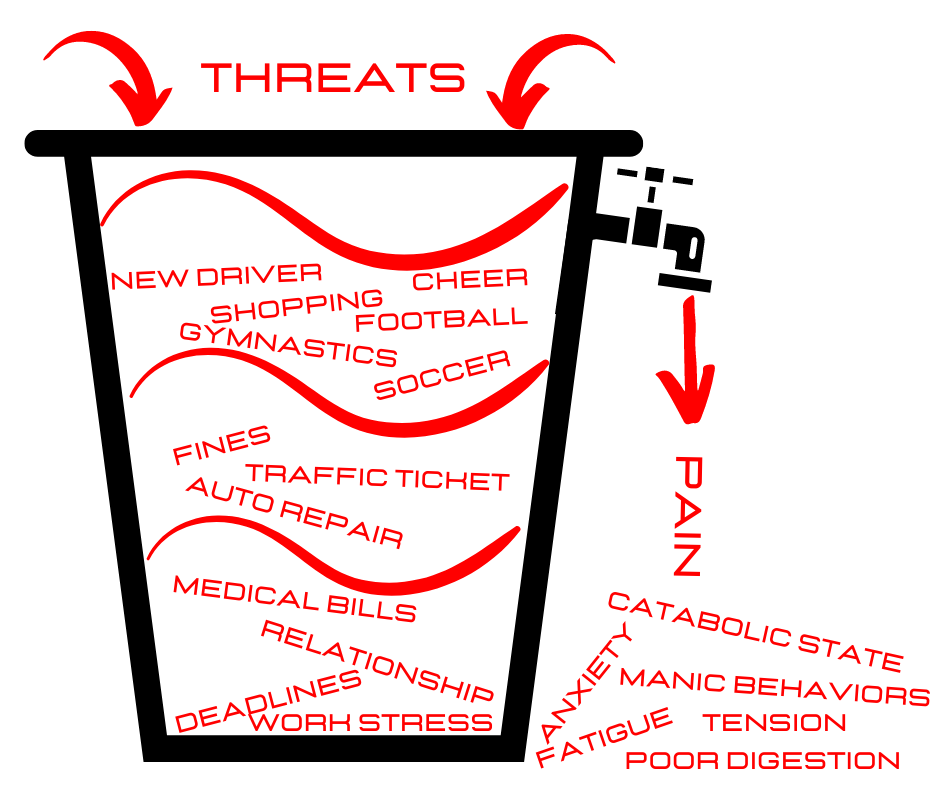
The theory of pain known as the "threat bucket" concept, alternatively referred to as the "neurophysiological model of pain" or "biopsychosocial model of pain," posits that pain is a multifaceted experience shaped by a blend of biological, psychological, and social elements. Rather than being solely dictated by tissue damage or nociception (the processing of pain signals by the nervous system), this theory suggests that an individual's perception of pain is molded by diverse factors that collectively contribute to the perception of threat to the body. In this model, the "bucket" represents an individual's overall capacity to cope with "threats", and various factors such as physical, psychological, and environmental stressors fill up this bucket. When the bucket reaches its threshold, pain is experienced.

The "Threat Bucket Model" shows the intricate rlationship between emotional stress and experienced pain. In this model, emotional stress contributes to experienced pain through the amplification of pain signals within the central nervous system. When an individual experiences emotional stress, such as anxiety, depression, or trauma, it can trigger the release of stress hormones like cortisol and adrenaline. These hormones can sensitize the nervous system, making it more receptive to pain signals and lowering the threshold for perceiving pain. Moreover, emotional stress can also lead to muscle tension and changes in posture, which can exacerbate existing pain or contribute to the development of new pain and related symptoms.

Almost Everything will work again if you unplug it for a few minutes, including you.
- Anne Lamott
RAGE RELAX

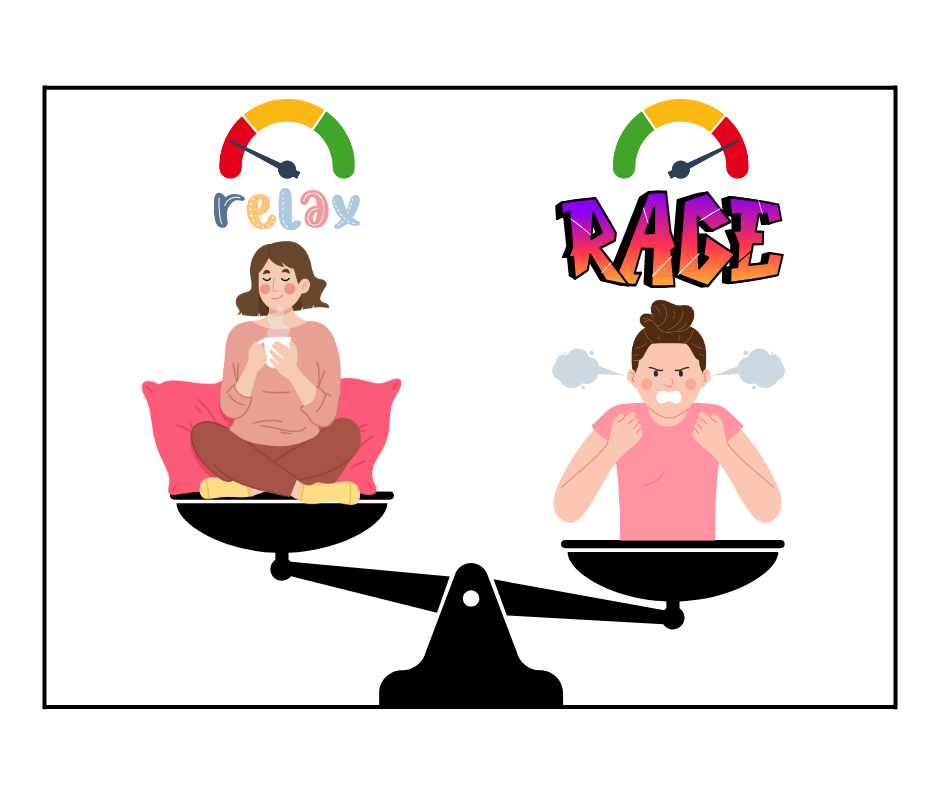
Fight - Flight vs Rest - Digest

When I think of the Fight-or-Flight Response, I usually picture something in-line with the movie, The Grey with Liam Neeson. John, the main character, has a journey that mirrors  our own lives, fraught with trials and tribulations. Having battled wolves throughout his existence, he reaches a pivotal moment where the burdens of his past weigh heavy upon him. As he and his companions flee from the relentless pursuit of the wolf pack, after a plane crash in the freezing wilderness, each step becomes a desperate bid for survival in the face of overwhelming odds.

Yet, amidst the chaos and despair, John finds himself standing at the precipice of a decision — a choice between surrendering to fate or summoning the courage to confront his demons head-on. With the alpha-male closing in, he resolves to make his final stand, defying the threat of death with every fiber of his being. In that fleeting moment, the primal instincts of the fight-or-flight response surge within him, urging him to defy the inevitable and embrace the possibility of victory, however slim it may seem.

John's defiance embodies the essence of the fight-or-flight response, a visceral reaction rooted deep within our very being. It is a testament to the indomitable human spirit, which refuses to yield in the face of adversity, even when the odds are stacked against us. In that moment of reckoning, John chooses not just to exist but to live—to seize one last opportunity to leave his mark upon the world before succumbing to the abyss. It is a poignant reminder that, in the crucible of life's trials, our greatest triumphs often emerge from the crucible of our darkest moments.

Wolves

It is also one of the best examples of a battle that is being raged within our bodies every single day! So if you want to better understand, let’s go on a journey. Close your eyes, and put yourself in John’s shoes for a minute, but we’ll make it even more relatable..

Imagine standing on the edge of a cliff, the abyss peering up before you as adrenaline courses through your veins, preparing you for action as you are being stalked by a vicious pack of wolves. You can’t see them, but you know they are there, lurking in the shadows. Can you feel it? Your breathing becomes more ragged and shallow… This primal response, which we’ve now identified as the fight-or-flight reaction, is hardwired into our biology, a survival mechanism to protect us from imminent danger. Yet, what happens when the threat isn't a tangible foe but an intangible yet very real and present apparition, haunting us with its unseen presence?

Stress & Oxidation

In the modern world, the threats we face often take on subtler forms — stressful deadlines, financial woes, relationship conflicts, sports injuries, aches and pains, chronic illnesses — yet our bodies respond with the same primitive urgency, primed to flee from perceived peril. This instinctive reaction triggers a cascade of physiological changes orchestrated by the feedback between the central nervous system and the sympathetic, parasympathetic, and somatic branches of the autonomic nervous system, readying us for swift escape or decisive action.

But what happens when there's no escape route, no adversary to confront? What happens when the rest, digestion, & reproduction functions get drowned out by the fight - flight - freeze - fawn (faint) response to the chronic stress that constantly bombards us at every waking moment?

In some cases, the very act of fleeing from the proverbial threat can paradoxically give rise to another type of threat — sympathetically mediated pain. As in the case of CRPS and other forms of chronic intractable pain, this enigmatic phenomenon occurs when the sympathetic nervous system, in its zealous attempt to protect us, inadvertently amplifies pain signals, heightening our perception of discomfort.

Like a well-intentioned but overzealous guardian, the sympathetic nervous system goes into overdrive, exacerbating rather than alleviating our suffering. Thus, the very act of “running from the threat” can inadvertently fuel the flames of pain, trapping us in a vicious cycle of neurophysiological distress.

In the tumultuous landscape of modern life, chronic stress has emerged as a pervasive force, exerting its insidious influence on our physical and mental well-being. While stress is often viewed as a transient response to external pressures, its prolonged presence can wreak havoc on the delicate balance of our body's physiological processes.

free-radical-antioxidant

Anabolism vs Catabolism

At the heart of this disruption lies a fundamental imbalance between catabolism and anabolism—the opposing forces that govern the breakdown and synthesis of molecules within our cells.

If your catabolism becomes chronic, you can reach a catabolic state.

Imagine a bustling college town on a Friday night, where the streets are alive with the energy of students reveling in the freedom of the weekend. In this vibrant atmosphere, the dynamics of catabolism and anabolism unfold in a manner reminiscent of the interaction between drunk college students and police officers.

Catabolism, similar to the rowdy antics of inebriated students, represents the breakdown of molecules and the release of energy—a process fueled by the exuberance of youthful vigor and the pursuit of instant gratification. Much like intoxicated revelers careening through the streets with cans of spray paint, leaving a trail of graffiti in their wake, catabolic pathways dismantle complex molecules, liberating their energy reserves for immediate use in the pursuit of pleasure and excitement.

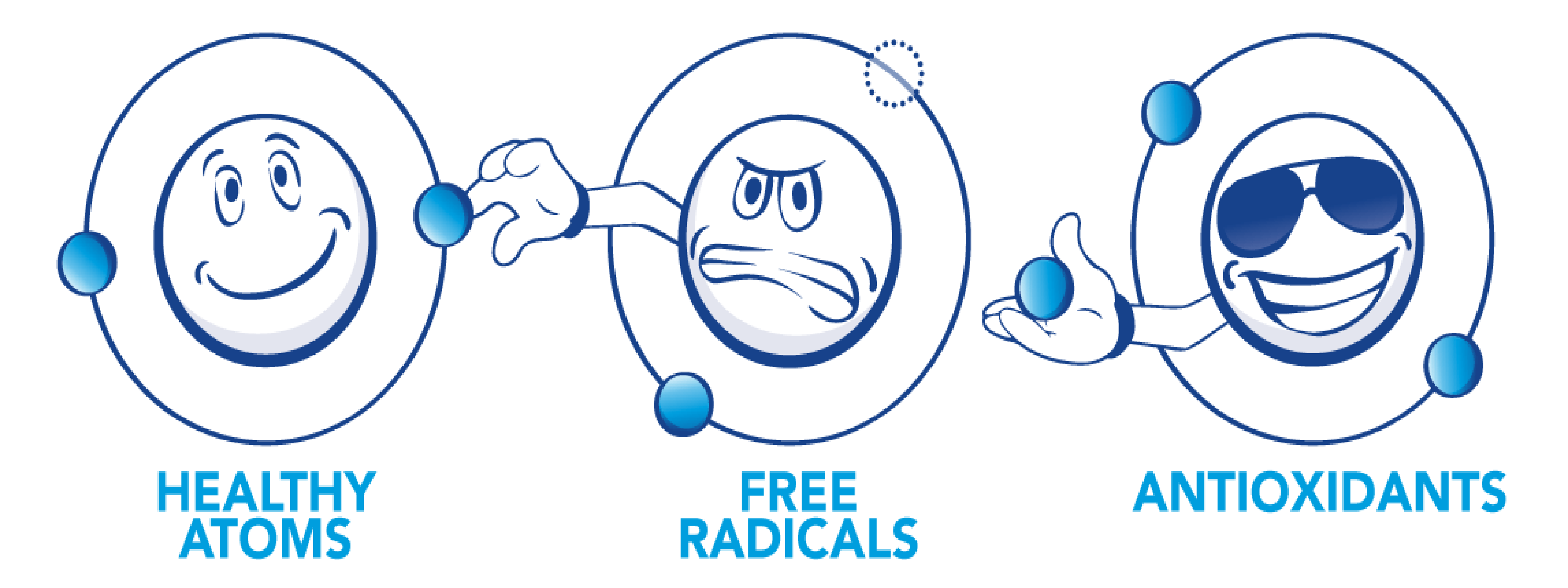
Meanwhile, anabolism embodies the diligent efforts of law enforcement officers tasked with maintaining order and restoring balance to the chaotic scene. With steadfast resolve, anabolic pathways work to deliver antioxidants, construct and repair cellular structures, replenishing depleted resources and fortifying the body against the ravages of excess. Like diligent servants restoring calm amidst the chaos, anabolic processes promote the synthesis of essential molecules, fostering growth, repair, and resilience in the face of adversity.

However, just as the antics of intoxicated students can escalate into disorderly conduct, an imbalance between catabolism and anabolism can have profound consequences for cellular health and homeostasis.

When catabolic processes run rampant, unchecked by the mitigating influence of anabolism, the body becomes susceptible to oxidative stress, inflammation, and accelerated aging — a state akin to the disorder and unrest that ensue when law enforcement is overwhelmed by unruly behavior that turns into a full-blown riot.

In this metaphorical analogy, the delicate interplay between drunk college students and police officers serves as a poignant reminder of the importance of balance and moderation in maintaining cellular health and physiological equilibrium. Just as the law enforcement officers strive to restore order and uphold the principles of justice and safety, so too must our bodies rely on the harmonious interaction of catabolic and anabolic processes to sustain vitality and well-being amidst the ebbs and flows of life's tretcherous journey.

Under normal circumstances, our bodies maintain a delicate equilibrium between catabolic and anabolic pathways, ensuring that energy production and tissue repair proceed harmoniously. However, chronic stress tilts this balance in favor of catabolism, driving the accelerated breakdown of cellular components and the release of stress hormones such as cortisol and adrenaline. These hormones, intended to mobilize resources for immediate action in the face of perceived danger, inadvertently perpetuate a state of oxidative stress—a biochemical cascade characterized by the unchecked production of reactive oxygen species (ROS) and free radicals.

As oxidative stress mounts, our cells become increasingly vulnerable to damage, setting the stage for a cascade of degenerative processes that undermine our health and vitality. Lipids, proteins, and DNA—all essential components of cellular structure and function—fall prey to the relentless assault of oxidative damage, leading to impaired cell function and accelerated aging. Moreover, chronic stress dampens the body's ability to mount an effective antioxidant defense, further exacerbating the cycle of oxidative stress and degeneration.

In essence, chronic stress acts as a potent catalyst for the breakdown of our body's intricate machinery, perpetuating a vicious cycle of catabolism, oxidative stress, and degeneration. To break free from this destructive cycle, we must prioritize stress management strategies that promote balance and resilience, nurturing our bodies and minds with practices that foster relaxation, mindfulness, and emotional well-being.

By systematically addressing the root causes of chronic stress and restoring equilibrium to our physiological processes; as Biohackers, we can reclaim our health and vitality in the face of life's myriad of challenges.

Biohacking DA1

Training Neurological Subsystems

Biohacking is about more than just becoming a superhuman athlete. There are many of us who have found ourselves in this field out of necessity, having broken something that there wasn't a "fix" for. Now we optomize for quality of life.

Enhancing the function of autonomic subsystems holds profound potential for bolstering overall human health. As stated previously, the autonomic nervous system, comprising the sympathetic and parasympathetic branches, plays a pivotal role in regulating vital functions such as heart rate, digestion, respiratory rate, and stress response. When these subsystems are in balance and functioning optimally, the body achieves a state of homeostasis, promoting well-being physically and mentally.

One key area where boosting autonomic function can yield significant benefits is stress management. The sympathetic branch, often associated with the "fight or flight" response, becomes overactive during times of stress, leading to hyperarousal and physiological strain.

By fostering the parasympathetic response, individuals can counteract the detrimental effects of chronic stress. Activating the parasympathetic nervous system induces a relaxation response, lowering heart rate, blood pressure, and cortisol levels, thereby promoting a state of calm, and potentially reducing the risk of stress-related health conditions.

Furthermore, optimizing autonomic function can enhance immune system resilience and metabolic regulation. Studies have shown that chronic stress and dysregulation of autonomic balance can compromise immune function, making individuals more susceptible to infections and inflammatory diseases.

By restoring autonomic equilibrium, immune response mechanisms are strengthened. Additionally, maintaining a balanced autonomic nervous system aids in regulating metabolism, improving energy expenditure, insulin sensitivity, and nutrient absorption. This can have profound implications for weight management, diabetes prevention, and overall metabolic health.

Moreover, the influence of autonomic function extends beyond peak physical health to encompass emotional well-being and cognitive function. A harmonious autonomic balance is associated with improved mood stability, emotional resilience, and cognitive performance. By fostering emotional regulation through techniques that modulate autonomic activity, such as biofeedback and heart rate variability training, individuals can cultivate greater emotional intelligence and adaptive coping strategies, leading to enhanced psychological resilience and mental clarity.

Boosting the function of autonomic subsystems holds immense promise for optimizing human health across multiple dimensions. By promoting autonomic balance, individuals can harness the body's inherent capacity for self-regulation and resilience, paving the way for a healthier and more vibrant life!

PN Website Logo 2050 x 780

Want to Start Biohacking?

Do you want to tap into your full potential and achieve unparalleled levels of focus, productivity, and inner serenity? Try a NeuroSync Session at Pure Neurology – the cutting-edge solution to optimize your mind and body for peak performance!

AC1Peak

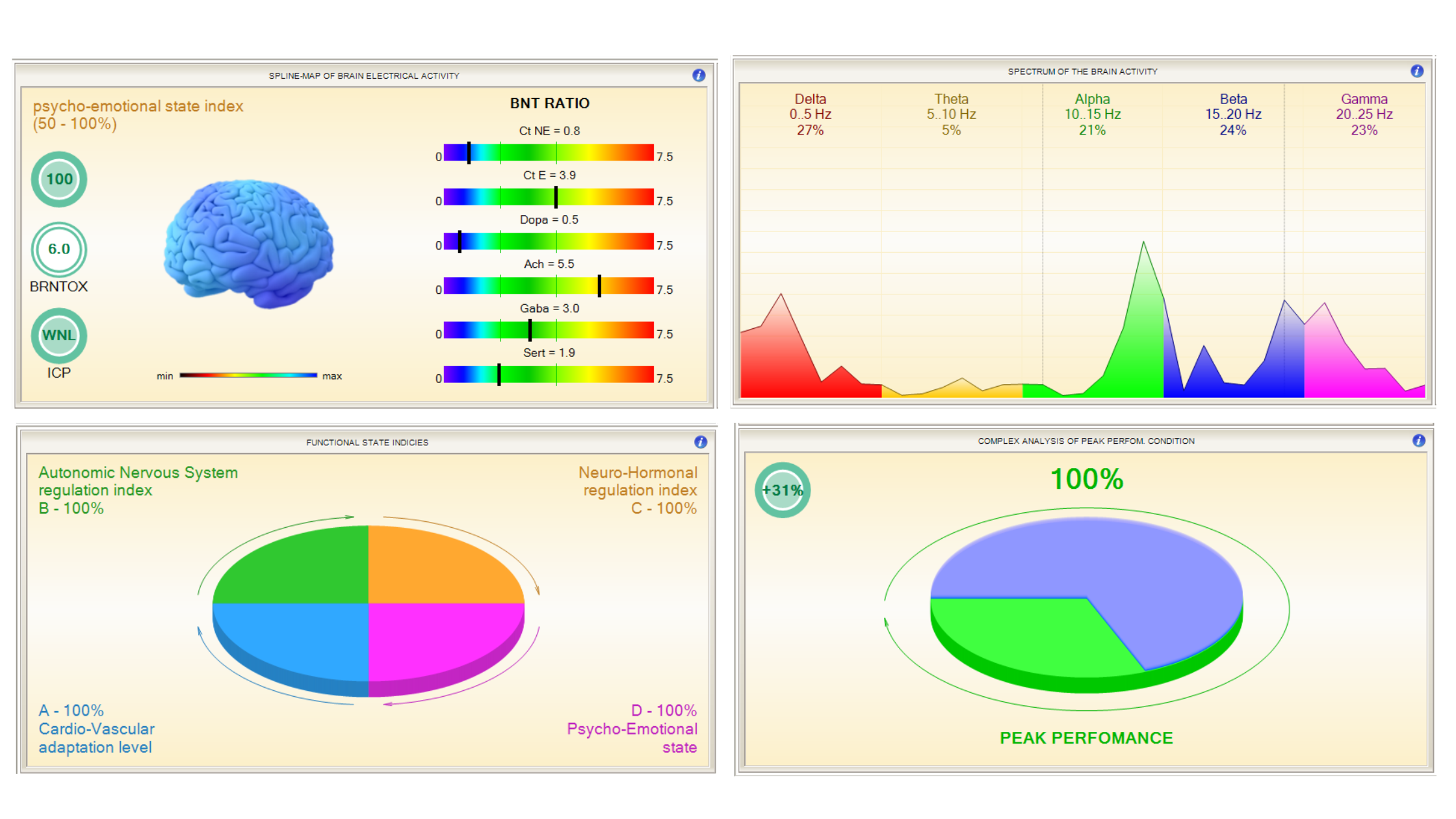
NeuroSync Sessions utilize advanced technology to help you hack into the alpha state, reducing stress and enhancing your ability to concentrate. With our scientifically-backed methods, you'll experience a profound increase in parasympathetic activity and vagal tone, promoting a sense of tranquility and well-being like never before.

AC1PsychoEmo

But that's not all! NeuroSync Sessions go beyond traditional relaxation and recovery techniques. Our innovative approach also boosts anabolic capability, increasing peak performance capabilities and helping you to recover faster and perform at your best, whether you're an athlete, entrepreneur, student, or anyone striving for excellence.

AC1NeuroHorm

Through our unique system, we harmonize the autonomic nervous system, bringing balance and coherence to your body and mind. Say goodbye to distractions and hello to unparalleled clarity, mental acuity, and peak physical performance!

AC1Biorhythm

And the best part? NeuroSync provides tangible results through our comprehensive CNS + ANS Scan. Our state-of-the-art technology analyzes your central nervous system and autonomic nervous system, providing you with a personalized report of findings. This detailed insight allows you to track your progress and optimize your NeuroSync experience for maximum results!

AC1Chakra

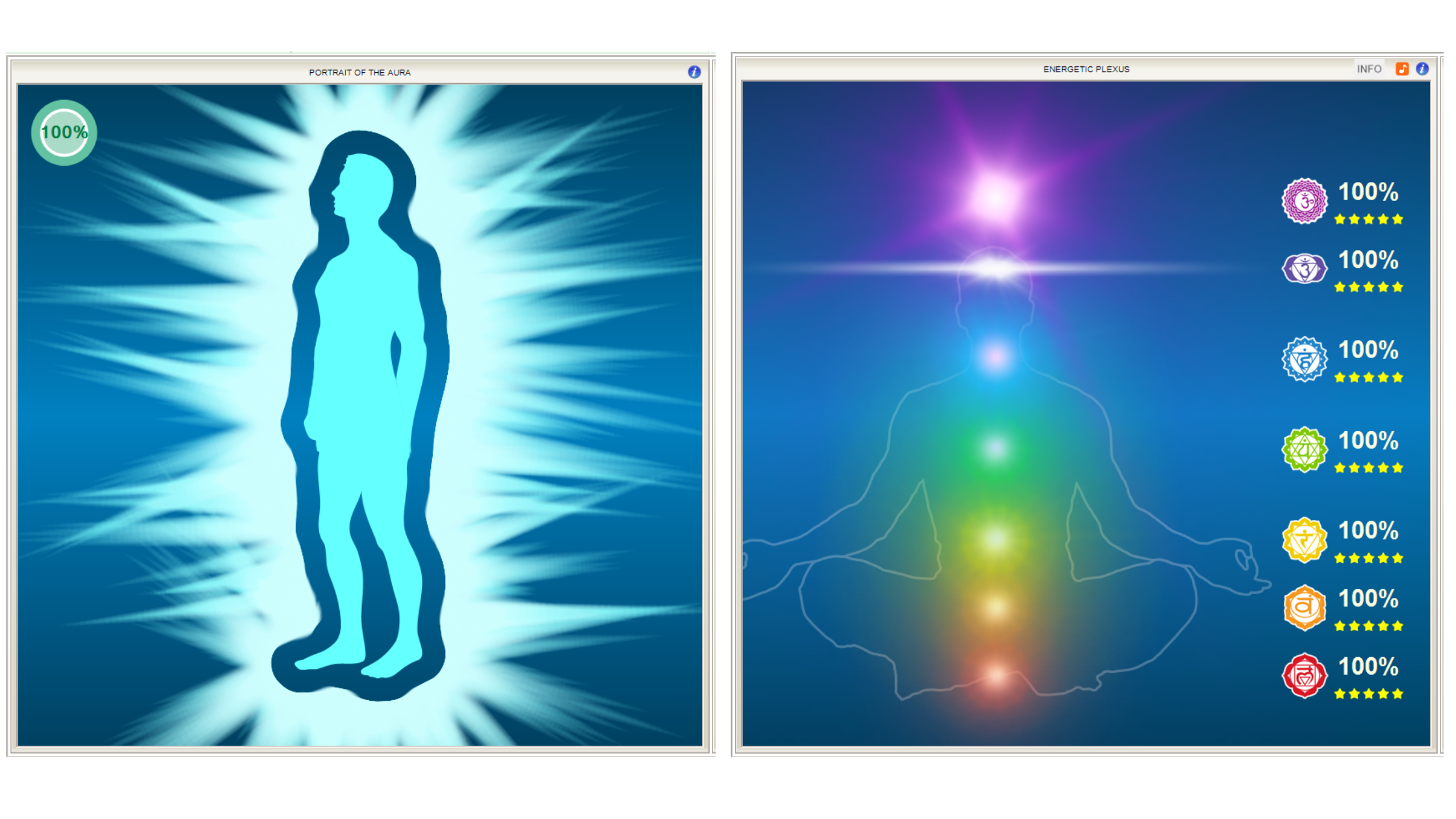
Don't settle for mediocrity when you can unlock your true potential with NeuroSync! Join the ranks of high achievers who have embraced the power of mind-body optimization through biohacking. Let us show you how you can begin to elevate your performance, reduce stress, and embrace a life of limitless possibilities!

AC1Aura

The HRV System used in our NeuroSync Sessions is intended to be used for education and study of peak performance potential of ANS and CNS regulation. Neither the HRV System or the NeuroSync Session is intended for the diagnosis or treatment of any disease or condition. For medical diagnosis, please consult a licensed medical professional.

GET IN TOUCH TODAY!

TRAIN WITH US!
Time for action!

Get in touch and schedule your baseline CNS + ANS Scan today!

CONTACT
Evidence Based

Sources: 

1. Moseley, G. L., & Butler, D. S. (2015). "Fifteen Years of Explaining Pain: The Past, Present, and Future." Journal of Pain, 16(9), 807–813.

2. Gatchel, R. J., Peng, Y. B., Peters, M. L., Fuchs, P. N., & Turk, D. C. (2007). "The Biopsychosocial Approach to Chronic Pain: Scientific Advances and Future Directions." Psychological Bulletin, 133(4), 581–624.

3. Birklein F, Schlereth T. "Complex regional pain syndrome-significant progress in understanding." Pain. 2015;156 Suppl 1:S94-103.

4. Woolf CJ. "Central sensitization: implications for the diagnosis and treatment of pain." Pain. 2011;152(3 Suppl):S2-15.

5. Tracey I, Mantyh PW. "The cerebral signature for pain perception and its modulation." Neuron. 2007;55(3):377-91.

6. Khare, S. "The alpha state of mind: When creativity and relaxation merge." Journal of Creative Behavior. 2018;52(4), 317-333.

IMG_6128

Hi, I'm Ian

I am the Founder and Director of Neuroscience at Pure Neurology, LLC. I retired from a career in EMS as a Paramedic, after a line-of-duty injury left me with a chronic nerve condition known as Complex Regional Pain Syndrome. Since my diagnosis in 2015, I have dedicated my life to researching this condition and how to improve it. I was faced with the prospect of amputation, which led me to research alternative treatments. I began working with functional direct-current neuromuscular stimulation in 2016, and I have been ever since. I currently advise NeuX Technologies out of Tampa, FL and work exclusively with NeuX Interactive Neuromuscular Stimulation. I hope that this blog is a valuable resource for you if you have an interest in learning more about INS.

DISCLAIMER: THIS WEBSITE DOES NOT PROVIDE MEDICAL ADVICE
The information, including but not limited to, text, graphics, images and other material contained on this website are for educational and informational purposes only. No material on this site is intended to be a substitute for professional medical advice, diagnosis or treatment. Always seek the advice of your physician or other qualified health care provider with any questions you may have regarding a medical condition or treatment and before undertaking a new health care or fitness regimen, and never disregard professional medical advice or delay in seeking it because of something you have read on this website or any of our affiliated media outlets or accounts.

The Vagus Nerve

The Vagus Nerve… It can be a Friend or a Foe… The choice is ultimately up to you. The vagus nerve is incredible! It regulates homeostasis in the body by helping to control heart rate and blood pressure. It helps you digest food by controlling gastrointestinal activity, including the speed of your digestion, as well as the production of enzymes and secretions. It even has a role to play in emotional regulation.

Are you constipated? The vagus nerve is involved. Got diarrhea? The vagus nerve plays a role. Anxiety? Yes, the vagus nerve has a part to play here as well.

Remember that song by Sting, “Every breath you take?” Well, since exhalation is independently controlled by the vagus nerve, it is literally “watching” (monitoring) your every breath like a crazy stalker! Okay… That was pretty cheesy… But the vagus nerve is THAT important!

The vagus nerve innervates all of the major organs and plays a huge role in how they function! It has the most extensive distribution of all the cranial nerves. Wandering from the brain to the colon, its cardiac branches act to slow the rate of heartbeat; its bronchial branch acts to constrict the bronchi (passages in the lower respiratory tract that allow air into the lungs). Its esophageal branches control involuntary muscles in the esophagus, stomach, gallbladder, pancreas, and small intestine, stimulating peristalsis (a wavelike sequence of muscular contraction and relaxation that passes food along the digestive tract) and gastrointestinal secretions.

The vagus nerve contains both afferent (sensory) and efferent (motor) fibers. This means it is responsible for not only carrying motor (function) signals to the organs it innervates, but it also carries sensory information from these organs back to the central nervous system (brain & spinal cord).

In addition, the vagus nerve is the major player in a primary neural reflex mechanism—the inflammatory reflex; which controls innate immune responses and inflammation.

inflammation

Inflammation is normally a local and temporary event. We get hurt, and we heal. Generally, after the injury has healed or the problem goes away, homeostasis (normality) is restored.

Sometimes however, disrupted innate immune regulation can result in excessive or chronic inflammation. This viscious cycle is seen in a broad range of conditions, from rheumatoid arthritis to fibromyalgia, CRPS, and much more; and you’d better believe the vagus nerve is directly involved. Like a bad roommate that shits the bed, plays heavy metal music at odd hours, and refuses to pick up after themselves.

Proper communication between the immune system and the brain is essential for controlling inflammation and maintaining homeostasis. When we talk about homeostasis, think about the condition of optimal function within the human body. It is the ideal state, where steady internal, physical, chemical, and social conditions are maintained. Sometimes something comes along and knocks us out of balance, and that is where a healthy working knowledge of the vagus nerve, and how it functions, can be very beneficial.

digestion

Poor vagal tone can cause a wide range of issues, not just limited to autoimmunity. Vasovagal syncope is a type of vagal-reflex syncope that occurs when the body's normal ability to control blood pressure doesn't work like it should, causing fainting. This is most commonly seen in people who pass out on the toilet, but another example could be people who faint at the sight of blood. The lower your vagal tone (or activation level), the less control you might have over your autonomic functions like heart rate or digestion. On the other hand, the higher your activation level (or "tone"), the better control you could have over these functions.

It may be obvious by this point, but vagal tone bears a direct correlation to the overall health of an individual. Vagal tone is a measure of cardiovascular function that facilitates adaptive responses to environmental challenge. It is directly associated with emotional and attentional regulation and has been conceptualized as a marker of sensitivity to stress. As such, a high vagal tone means a higher capacity to successfully manage stress, change, and challenges. It also means a higher capacity to adequately rest, recharge, and recover. Conversely, a low vagal tone means less tolerance for stress, change, and challenge while making it more difficult to rest, recharge, and recover. People with low vagal tone may feel stuck in a state of hyperarousal for a long period of time after a stressful incident has ended, or they may experience drastic fluctuations between states of being amped up and then very drained, or very angry followed by a drastic shift to feeling very sad and depressed.

rage 1

Poor vagal tone can result in emotional instability, and an inability to cope with stress, resulting in poorer quality of life and even overreaction to situations, including violent outbursts of rage.

Aside from pharmaceutical interventions, there are a number of ways to stimulate vagal tone for better mental, emotional, and physical health. We have a neurostimulation protocol at Pure Neurology which uses a gentle electrical current to increase vagal tone. It places the individual into a relaxed, meditative state, and has even been shown to increase Alpha brainwave activity and decrease Beta brainwave activity. Alpha waves are associated with a state of relaxation. Beta waves are associated with a state of alertness and mental activity, they are also heightened in states of stress and anxiety.

meditation

Two of the ways that I used to teach people to stimulate a vaso-vagal response as a Paramedic to control a fast heartrate, I have also taught to my CRPS clients as a rescue technique for pain flares. One is to place a cold wet rag around the neck, and another is to bear down like you are trying to have a bowel movement. While this may work in a pinch, it is not the same as training the vagus nerve. Studies have shown that cold exposure can stimulate the vagus nerve and greatly increase vagal tone. Not to worry, if ice baths aren’t your thing, there are other ways. You can sing or hum to increase vagal tone, and focusing on songs that bring you joy can elevate to your mood.

One of the main ways that you can stimulate healthy function of the vagus nerve is through deep, slow, diaphragmatic belly breathing. You can even learn to use deep breathing exercises and meditation to shift your focus away from stress or pain.

We teach this method in great detail at Pure Neurology, and when we have enough interest we will even do classes from time to time. However, this method can be practiced in the comfort of your own home, or wherever you can get alone in a quiet space for a few minutes. The results of performing this exercise correctly are very impactful.

TO BEGIN:

Schedule a time during the day when external distractions can be eliminated for a minimum of 10 - 15 minutes.

Next, find a quiet and comfortable place to begin the breathing exercises.

Either while sitting on a chair, or on cushions or lying down on a yoga mat or soft surface.

Sit or lie down comfortably, resting your hands below your navel.

Tune in to the way you breathe. Inhale and exhale naturally through your nose for a few minutes, noticing the slight rise and fall of your hand. Consider the way the air feels as it enters and exits your nostrils. Start to count silently forward (one, two, three...), then backward (...three, two, one), as you breathe in and out.

Gradually make each exhalation twice as long as each inhalation. Focus on breathing slowly and smoothly, humming each time you exhale. The slight vibration of the vocal cords can activate the vagus nerve resulting in increased parasympathetic nervous system activity.

To put it simply, it will calm you.

meditation 2

The 4-4-8 is a basic breathing technique designed to help you relax and focus. This technique is great if you feel stressed or tense. Using this technique can help you get rid of the tension so you can focus on what you need and want to do.

No matter what your goal is, deep breathing can help you focus, clarify your thinking, and feel less stressed as you move forward.

However, it is important to prolong your exhalation because exhalation is independently controlled by the vagus nerve.

This breathing technique has four easy steps:

1. Breathe in through your nose for a count of 4, taking the breath into your stomach.

2. Hold your breath for a count of 4 seconds.

3. Release your breath through your nose (NOT MOUTH) for a count of 8 seconds. Think of emptying a glass of water.

4. Without a break, breathe in again for a count of 4 seconds, repeating the entire technique three to four times in a row, then resume normal breathing and activity.

As you progress in this technique, you can work your way up to 3-4 minutes of continuous diaphragmatic box breathing, which will drastically increase your vagal tone and parasympathetic function.

This technique can be used to break the vicious cycle of chronic inflammation and anxiety, and as healthy blood flow and function is returned to the digestive organs, normal function is restored.

Focus on counting when breathing in, holding the breath, and out. You may find yourself feeling mildly light-headed after doing this. It is actually a sign that the technique is working and the sensation will quickly pass.

Feel free to do this as often as you want, but you may need to get used to it first. It doesn’t really matter if each count lasts an actual second; it only matters that you count evenly so the ratio of 4-4-8 is maintained.

In future posts, we will discuss progressive relaxation techniques which can be incorporated with diaphragmatic box breathing to further the effects.

But for now… Just breathe.

IMG_6128

Hi, I'm Ian

I am the Founder and Director of Neuroscience at Pure Neurology, LLC. I retired from a career in EMS as a Paramedic, after a line-of-duty injury left me with a chronic nerve condition known as Complex Regional Pain Syndrome. Since my diagnosis in 2015, I have dedicated my life to researching this condition and how to improve it. I was faced with the prospect of amputation, which led me to research alternative treatments. I began working with functional direct-current neuromuscular stimulation in 2016, and I have been ever since. I currently advise NeuX Technologies out of Tampa, FL and work exclusively with NeuX Interactive Neuromuscular Stimulation. I hope that this blog is a valuable resource for you if you have an interest in learning more about INS.

DISCLAIMER: THIS WEBSITE DOES NOT PROVIDE MEDICAL ADVICE
The information, including but not limited to, text, graphics, images and other material contained on this website are for educational and informational purposes only. No material on this site is intended to be a substitute for professional medical advice, diagnosis or treatment. Always seek the advice of your physician or other qualified health care provider with any questions you may have regarding a medical condition or treatment and before undertaking a new health care or fitness regimen, and never disregard professional medical advice or delay in seeking it because of something you have read on this website or any of our affiliated media outlets or accounts.